
1.Factors Influencing Louvered Pergola Prices
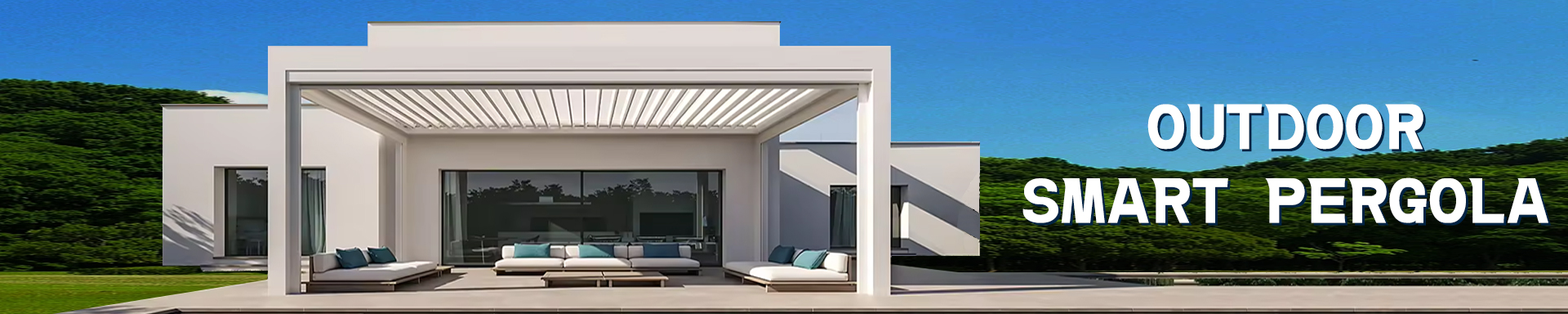
The cost of a louvered pergola in 2026 depends on multiple tangible factors, from materials to functional enhancements. Understanding these drivers can help homeowners make informed choices that balance aesthetics, durability, and budget.
1.1 Material Selection: Aluminum, Wood, and Hybrids
Material choice is one of the most significant determinants of pergola pricing. Aluminum frames, such as those used in Aluminum pergola house constructions, offer lightweight durability, corrosion resistance, and a sleek modern look, making them slightly higher in initial cost than traditional wood options. Wood pergolas provide a natural aesthetic and can be customized with various stains or finishes but require regular maintenance, which may increase lifetime costs. Hybrid materials combine aluminum support structures with wooden accents, balancing strength and design but often sit at the upper-middle range of the pricing spectrum.
| Material Type | Initial Cost per Square Foot | Durability (Years) | Maintenance Level |
|---|---|---|---|
| Aluminum | $50–$120 | 20–30 | Low |
| Wood (Cedar/Redwood) | $35–$90 | 15–25 | Moderate |
| Hybrid (Aluminum + Wood) | $70–$150 | 20–30 | Low–Moderate |
1.2 Size and Coverage Area
Larger coverage areas increase costs proportionally, as more materials, labor, and support structures are required. For example, a 12x12 ft patio pergola will generally cost twice as much as a 6x6 ft unit of the same material and design. Additionally, irregular shapes or custom dimensions can drive the price up by 10–25%, due to the need for tailored fabrication and precise installation. When planning, always measure the intended space accurately and factor in potential obstacles like drainage slopes or uneven terrain.
1.3 Roof and Louver Mechanism Type (Manual vs Motorized)
The choice between manual and motorized louver systems directly affects both the upfront cost and long-term convenience. Manual louvers are straightforward, durable, and cost-effective, typically adding $100–$300 to a standard installation. Motorized or Aluminum motorized pergola systems include electric actuators, remote controls, and sometimes smart home integration, which can add $1,500–$3,500 to the total. Homeowners gain precision control and effortless operation, which often justifies the higher investment for frequently used outdoor spaces.
1.4 Additional Functional Features and Accessories
Extra features like integrated LED lighting, rain sensors, retractable canopies, or side screens further influence costs. Typically, these enhancements range from $200–$1,500 depending on complexity. For instance:
-
Install integrated LED strips for evening ambiance, which can cost $300–$500 for a 10x10 ft pergola.
-
Add automated rain sensors to protect furniture, usually around $150–$250.
-
Include side panels or privacy curtains to enhance usability, which can add $200–$600 depending on material and size.
These features not only improve functionality but also increase property value and user satisfaction, particularly in climates with frequent sunlight or rain exposure. For homeowners seeking a premium outdoor solution, combining a durable frame, motorized louvers, and integrated accessories offers a long-term, hassle-free experience while keeping costs predictable.
2. Price Ranges by Pergola Type
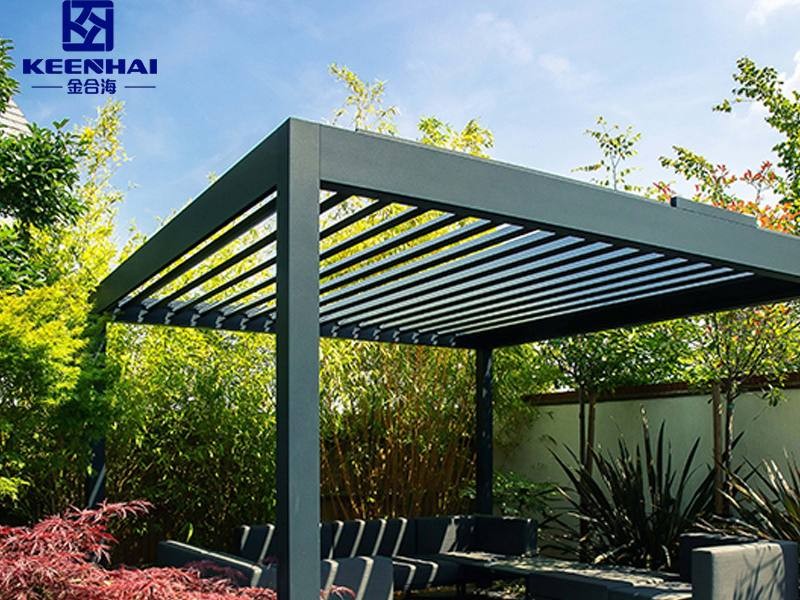
The cost of a louvered pergola varies significantly based on the type, materials, and functional features. Understanding typical price brackets helps homeowners plan budgets accurately and compare options efficiently.
2.1 Basic Manual Louvered Pergolas
Basic manual systems represent the most affordable entry point for patio shading. These units typically feature aluminum or treated wood frames with manually adjustable louvers. Standard dimensions, such as 10x10 ft or 12x12 ft, cost between $1,200–$3,000, depending on material quality and installation complexity.
Installation steps for a basic manual pergola:
-
Site Preparation: Level the patio area and mark post positions.
-
Anchor Posts: Securely fasten posts using concrete or heavy-duty anchors.
-
Assemble Frame: Connect horizontal beams and cross supports.
-
Install Louvers: Attach adjustable louvers and ensure smooth rotation.
-
Test Functionality: Adjust all louvers to verify consistent manual operation.
Manual systems require minimal power and are highly durable, with maintenance mostly limited to occasional cleaning and lubrication of pivot points.
2.2 Motorized Aluminum Pergolas
Motorized aluminum systems, including Aluminum motorized pergolas, provide precise control and effortless operation. These units typically range from $4,000–$8,000 for standard 10x12 ft setups. Larger or custom dimensions, especially with smart home integration, can exceed $10,000.
Key installation and feature highlights:
-
Electrical Preparation: Ensure proper wiring for motorized louvers.
-
Frame Assembly: Build a sturdy aluminum skeleton capable of supporting motor load.
-
Motor and Louvers Installation: Connect the actuator motors to the louvers, verifying smooth alignment.
-
Control Setup: Integrate remote or smartphone controls for automated operation.
-
Functional Testing: Check rotation speed, full closure, and weather resistance settings.
Motorized aluminum pergolas combine lightweight strength, corrosion resistance, and automated convenience, making them ideal for homeowners seeking high functionality with minimal daily effort.
2.3 Premium Hybrid or Modern Gazebo Styles
Premium hybrid designs or Aluminum Modern Gazebo styles often mix wood aesthetics with aluminum durability, incorporating features like integrated LED lighting, retractable fabric panels, and rain sensors. Prices typically range from $8,000–$15,000 depending on size, roof complexity, and accessory packages.
Installation and feature overview:
-
Site Planning: Ensure adequate space and proper drainage.
-
Foundation & Anchoring: Use reinforced footings for stability.
-
Frame Construction: Combine aluminum structure with wood or composite accents.
-
Roof & Louvers Integration: Install motorized or retractable roofing systems.
-
Accessory Setup: Add lighting, fabric panels, or side screens to enhance comfort.
-
Final Testing: Evaluate automated louver function, shading efficiency, and weather response.
These premium styles deliver both luxurious aesthetics and functional versatility, making them a long-term investment for high-end patios and outdoor entertainment spaces.
3. Installation and Labor Costs
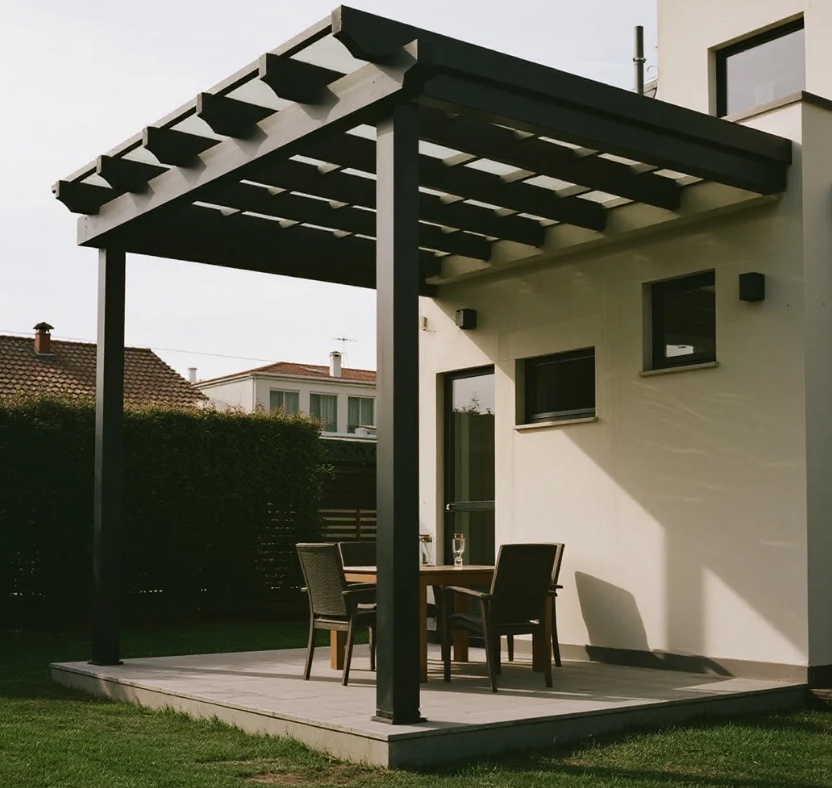
Understanding labor and installation fees is crucial when budgeting for a louvered pergola. Costs vary based on site complexity, pergola type, and whether homeowners choose professional setup or a DIY approach.
3.1 Standard Installation Procedures and Costs
Standard installations of a medium-sized louvered pergola generally cost $500–$1,500, depending on local labor rates and foundation requirements. These projects assume a flat, prepared surface and straightforward assembly.
Typical installation steps:
-
Site Preparation: Clear debris and level the patio area.
-
Post Anchoring: Secure pergola posts with anchors or concrete footings.
-
Frame Assembly: Connect horizontal beams and vertical supports.
-
Louver Attachment: Install adjustable louvers and verify smooth rotation.
-
Final Inspection: Ensure structural stability and proper alignment.
Homeowners benefit from a quick installation, often completed within 1–2 days, minimizing labor costs while ensuring full functionality.
3.2 Complex Site Preparation and Customization Fees
Challenging terrains, uneven patios, or custom pergola dimensions can raise installation costs significantly, often adding $1,000–$3,000 to the budget. Custom adjustments include reinforced footings, additional supports, or specialized anchors for sloped surfaces.
Key factors influencing cost increases:
-
Uneven ground: Requires excavation, leveling, or retaining structures.
-
Custom dimensions: Non-standard sizes need additional materials and labor.
-
Specialized roofing or louver mechanisms: Motorized systems or retractable roofs add installation complexity.
Complex projects demand careful planning to maintain structural integrity and optimal louver functionality, especially for larger patios or heavy-duty pergolas.
3.3 Optional Professional Setup vs DIY Installation
Choosing professional installation ensures expert assembly, precise louver alignment, and safe electrical integration for motorized systems. Professionals charge $50–$100 per hour, with typical projects spanning 1–3 days.
DIY installation considerations:
-
Skill Assessment: Ensure familiarity with tools and structural assembly.
-
Time Planning: Allocate multiple weekends for completion.
-
Safety Precautions: Use proper anchors, level checks, and protective equipment.
-
Motorized Systems: For automated louvers, verify electrical connections meet local codes.
DIY installation reduces labor expenses but requires careful adherence to manufacturer guidelines to avoid warranty issues or operational problems. A professional setup guarantees faster, reliable, and fully functional outcomes, especially for larger or high-end motorized pergolas.
4. Long-Term Costs and Maintenance Considerations
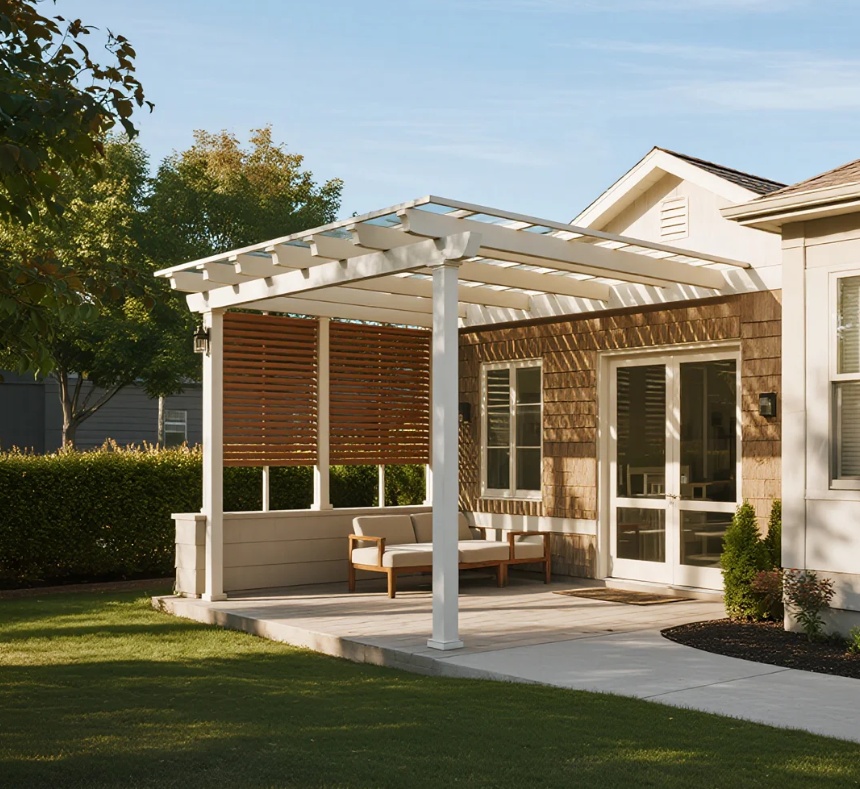
Investing in a louvered pergola extends beyond initial purchase and installation. Understanding material longevity, upkeep requirements, and operational energy needs is essential for accurate budgeting and long-term satisfaction.
4.1 Material Durability and Weather Resistance
Aluminum pergolas, including motorized and automated models, offer excellent corrosion resistance, maintaining structural integrity in rainy or coastal environments. Wood pergolas, while visually appealing, require high-quality stains or sealants to prevent warping, cracking, or insect damage over time.
Key material considerations:
| Material Type | Longevity | Weather Resistance | Typical Lifespan |
|---|---|---|---|
| Aluminum (Powder-Coated) | Very High | Excellent | 20+ years |
| Cedar/Wood | High (with maintenance) | Moderate | 10–15 years |
| Hybrid Aluminum-Wood | High | Good | 15–20 years |
Selecting the right material impacts not only durability but also maintenance frequency and long-term costs. A well-chosen aluminum solution reduces the need for yearly treatments and ensures consistent performance in diverse climates.
4.2 Maintenance Frequency and Associated Expenses
Regular maintenance is critical to keep adjustable louvers and frames operating smoothly. Maintenance steps include:
-
Cleaning: Remove debris from louvers and frames monthly using mild soap and water.
-
Lubrication: Apply silicone or light lubricant to hinge points and motorized tracks quarterly.
-
Inspection: Check fasteners, anchors, and louver alignment semi-annually.
-
Surface Treatments: Reapply sealants or protective coatings for wooden elements annually.
Typical annual maintenance costs range from $50–$200 for aluminum systems, while wood or hybrid structures may reach $300–$500, depending on material treatments and labor requirements. Motorized pergolas may require occasional electrical or mechanical servicing to preserve smooth operation.
4.3 Energy and Power Consumption for Motorized Systems
Motorized or automated louvered pergolas add convenience but contribute to energy costs. Power usage depends on:
-
Motor Type: Low-voltage DC motors consume less than 50 watts per full operation.
-
Operation Frequency: Frequent adjustments increase energy consumption slightly.
-
Integration Features: Sensors for rain or sunlight automation slightly increase electricity use.
On average, energy costs for a standard motorized pergola are under $10 per month, making automated shading solutions efficient and cost-effective when compared with traditional retractable awnings or electrical outdoor heating.
5. Regional and Market Variations
The price of a louvered pergola is not uniform across regions or suppliers. Understanding urban, suburban, and seasonal differences helps homeowners plan realistic budgets and avoid unexpected expenses.
5.1 Urban vs Suburban Pricing Differences
Urban areas generally feature higher installation costs due to labor rates, limited access, and logistical challenges. Suburban regions often benefit from lower labor costs and more competitive material pricing. For example:
-
Urban installations may add $500–$1,500 in labor surcharges for complex setups or restricted-access properties.
-
Suburban projects typically incur only $200–$700 additional fees for similar pergola sizes.
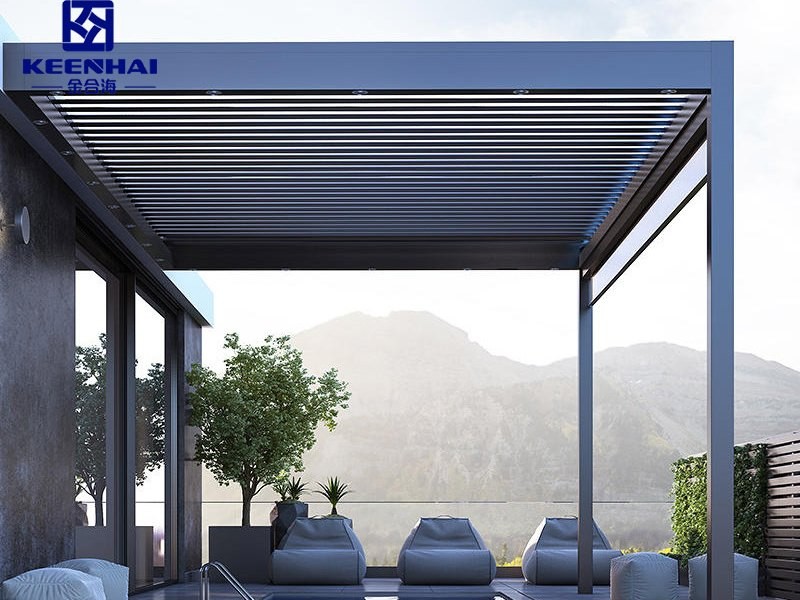
Homeowners in cities also face premium pricing for customized aluminum motorized pergolas or integrated smart shading systems, while suburban areas often have more standardized options with competitive pricing. Imagine installing a modern automated pergola in a downtown rooftop terrace—the convenience comes at a measurable premium, but the functionality and aesthetic payoff justify the investment.
5.2 Seasonal and Supplier-Based Cost Fluctuations
Pergola prices fluctuate based on seasonal demand, raw material availability, and supplier pricing policies. Key patterns include:
-
Spring and summer: Demand peaks for outdoor projects, potentially increasing pergola costs by 10–20%.
-
Off-season (late fall/winter): Discounts or promotional offers may reduce prices by 5–15%, especially for modular or stocked aluminum models.
-
Supplier variations: Different manufacturers and dealers have distinct markup structures; sourcing aluminum automated pergolas or hybrid modern gazebos from multiple suppliers can reveal notable price differences.
By monitoring seasonal trends and comparing suppliers, homeowners can strategically schedule installations to reduce both material and labor costs while securing high-quality products.
As homeowners plan for 2026, louvered pergola prices reflect a combination of material choice, size, roof mechanism, and market conditions. Aluminum motorized pergolas and high-end hybrid styles command premium pricing, while basic manual models remain accessible. By considering urban vs. suburban rates, seasonal trends, and long-term maintenance, you can make informed decisions that balance aesthetics, functionality, and cost efficiency.